
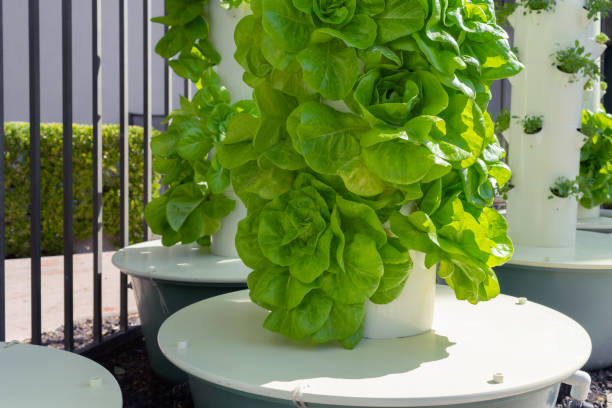
A hydroponic tower grows plants vertically in water and nutrients rather than soil. You stack your garden upward, so your full harvest fits in the footprint of a small chair. If you have a balcony, a kitchen corner, or no yard at all, you can still grow fresh greens most of the year.
This guide explains how a hydroponic tower works, what it saves compared to soil, what grows well, and how to get started.
What Is a Hydroponic Tower?
A hydroponic tower is a vertical growing system. Plants sit in net pots along the column while a pump sends nutrient-rich water to the top. The water flows past the roots and returns to the reservoir.
People search for a “grow tower” and a “hydroponic tower” as though they were different products. They are not. The ALTO Garden GX Hydroponic Tower, for example, holds 24 plants in less than 1 square meter of floor space.
How a Grow Tower Works
The plants get what they need without much effort from you.
Support: Rockwool cubes and net pots hold the base and roots of each plant. No soil is needed.
Watering: A closed loop recycles the water up and down the tower, just like a small fountain.
Timers: Automatic timers water your plants and run your lights, even when you are not at home. A common schedule is 15 minutes of watering per hour for 14 hours, with lights on for 14 to 16 hours.
Nutrients: Nutrients are delivered directly to the roots, so plants spend less energy searching for food and more on growing leaves and fruit.
Why Choose a Hydroponic Tower Over Soil?
It uses far less water. The water is recycled, saving up to 95% compared to conventional gardening, where most of the water simply drains into the ground.
It grows faster. Hydroponic and aeroponic methods can deliver up to 3x faster growth than soil. Roots get precise watering and plenty of oxygen.
It produces more. Efficient delivery can mean 30% higher yields.
It saves space. A vertical tower increases your yield per square foot. Outdoors, the same harvest would need 50 to 60 square feet of ground.
It is clean. There is no dirt, so you can bring the garden indoors without the mess.
What Can You Grow in a Hydroponic Tower?
Most leafy and fruiting plants do well:
- Leafy greens: lettuce, spinach, kale, chard, bok choy
- Herbs: basil, parsley, chives, dill, thyme, rosemary
- Fruiting plants: tomatoes, cucumbers, bell peppers, strawberries
Root vegetables, on the other hand, grow downward. Carrots, potatoes, and onions are difficult to harvest from inside a tower, so grow these in soil.
Can You Use a Grow Tower Indoors and Outdoors?
You bet. A portable tower can move with the seasons. Leave it outdoors until temperatures get too hot or too cold, then bring it inside.
Indoors, LED grow lights give your plants all the light they need. When you move the tower back outside, turn the lights off and let the sun do the work. Moving your tower outdoors can also help pollination for certain plants, like some cucumbers and tomatoes, thanks to bees and wind.
Build quality counts outdoors. The walls of the GX tower are 2mm thick, so it won’t fade or change color during a summer in full sun.
How to Get Started in Three Steps
- Germinate. Plant seeds in rockwool cubes under an LED grow light. This is the most time-consuming step, so be patient.
- Transfer. When seedlings are about two inches tall, move them into the tower’s net pots.
- Harvest. Your first harvest should be ready about three weeks after transfer.
Assembly takes about 20 minutes, and no tools are needed. You don’t even need a green thumb. Seeds can be bought at a nursery, a hardware store, or online.
A Few Practical Tips
- Position the tower on a level surface, within reach of an outlet for the pump and timers.
- Choose plants with similar growth and light requirements for the same tower.
- Check the water level in your reservoir daily, since plants drink more as they grow.
- Trim leafy greens often when you harvest. Regular trimming encourages new growth.
Is a Hydroponic Tower Worth It?
If you want fresh food without a yard, a lot of soil, or a lot of time, a grow tower is one of the most convenient places to start. It saves water, takes up less room, and grows faster. The automated timers handle most of the routine.
