
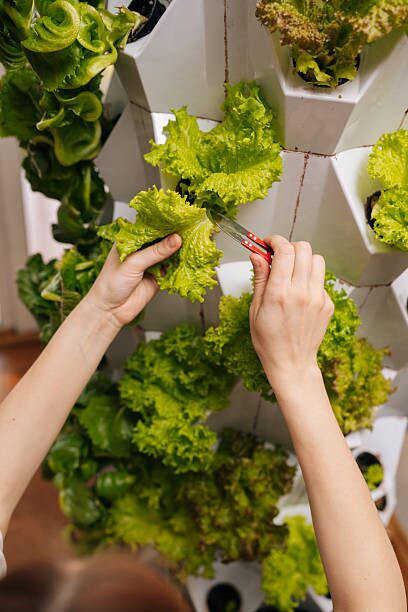
Not everyone has a backyard, a sunny balcony, or the time to tend a traditional vegetable patch. Yet the desire to grow something fresh a handful of basil, a few crisp lettuce leaves, a pot of mint hasn’t gone anywhere. That’s exactly the gap that vertical, light-equipped growing systems are built to fill. They bring the entire growing process indoors, stack it vertically to save space, and use integrated LED lighting to replace the sun entirely.
If you’ve been curious about soil-free growing but weren’t sure where to start, this guide walks through how these systems work, why they’ve become so popular in apartments and small homes, and what to look for before you buy one.
What Makes These Systems Different from a Regular Planter
At its core, this kind of setup uses a water-based nutrient solution instead of soil. Plants sit in small pods or baskets around a vertical column, with their roots dangling into a reservoir below. A pump circulates nutrient-rich water up through the tower and back down again on a timed cycle, so every plant gets a steady supply of what it needs to grow.
The vertical shape is what sets an indoor hydroponic tower garden apart from a flat countertop planter. Instead of spreading plants across a wide surface, growing space is stacked upward — often allowing 20 to 30 plants to thrive in a footprint no bigger than a bar stool. For anyone working with a small kitchen corner or a studio apartment, that difference in space efficiency is significant.
Add a ring of LED grow lights positioned around or above the tower, and you remove the last major constraint: sunlight. Because the light source is fixed and consistent, plants aren’t at the mercy of cloudy days, short winter afternoons, or a window that only gets an hour of direct sun.
Why People Are Switching to This Style of Growing
Speed. Because roots have constant access to oxygenated, nutrient-dense water rather than having to search through soil, most leafy greens and herbs grow noticeably faster than in traditional dirt-based gardening.
Consistency. With a built-in light cycle running on a timer, plants get the same number of “daylight” hours every single day, regardless of the season outside. This tends to produce more even, predictable growth.
Cleanliness. No soil means no mess, no weeding, and far fewer pest problems. For indoor use, that’s a genuine advantage — there’s no dirt to track across the kitchen floor.
Space efficiency. A single compact unit can replace what would otherwise require several pots, trays, or a small garden bed.
Year-round harvests. Because the growing environment isn’t tied to outdoor weather, a well-maintained system can produce fresh herbs and vegetables in every season, including the dead of winter.
How a Typical Grow Cycle Works
- Seed pods are started. Seeds are placed in small growing sponges or pods, which sit in the tower’s planting sites.
- The reservoir is filled. Water is mixed with a liquid nutrient solution formulated for hydroponic growth.
- The pump cycles water. On a timer, water is pushed up through the tower and trickles back down past the roots, delivering nutrients and oxygen.
- Lights run on a schedule. Most units default to 14–16 hours of light per day, mimicking long summer daylight hours to encourage steady growth.
- Plants are monitored and harvested. Herbs like basil and mint can often be snipped within a few weeks; leafy greens like lettuce or kale typically take a bit longer.
What to Look for Before Buying One
Not all vertical growing units are built the same way, and a bit of research up front saves frustration later.
- Light quality and coverage. Look for full-spectrum LEDs that can be adjusted in height as plants grow taller, so lower leaves aren’t shaded out.
- Reservoir size. A larger water tank means less frequent refilling and more stable nutrient levels.
- Number of planting sites. More sites mean more variety, but also more plants competing for the same nutrient solution, so match the size to your actual cooking or eating habits.
- Noise level of the pump. Since these units often sit in a kitchen or living space, a quiet pump matters more than people expect.
- App or timer controls. Many newer models let you adjust light schedules and get reminders for refilling water or nutrients, which is genuinely useful for beginners.
Tips for Getting the Best Results
A hydroponic gardening tower rewards a little routine maintenance more than it demands constant attention. A few habits make a noticeable difference:
- Check the water level every few days rather than waiting until the reservoir runs dry.
- Use a pH testing kit occasionally; most leafy greens and herbs do best in a slightly acidic range.
- Rotate the tower periodically if the light source isn’t fully surrounding it, so all sides get even exposure.
- Start with easy, fast-growing plants lettuce, basil, mint, and kale are forgiving choices for first-timers before branching into more demanding crops like tomatoes or peppers.
- Clean the reservoir and tubing between grow cycles to prevent algae buildup, which thrives in warm, nutrient-rich water exposed to light.
Is It Worth the Investment?
For anyone without reliable outdoor growing space, or who simply wants fresher herbs on hand without a weekly grocery run, these systems tend to pay for themselves in convenience fairly quickly. The upfront cost is higher than a bag of potting soil and a few pots, but the combination of faster growth, no weeding, no pest management, and a harvest schedule that doesn’t depend on the weather makes a strong case especially for busy households or urban dwellers with limited square footage.
It’s not a replacement for a full backyard garden, and it won’t grow large root vegetables or sprawling squash vines. But for greens, herbs, and compact fruiting plants like strawberries or cherry tomatoes, it’s a genuinely practical way to keep something growing indoors, twelve months a year.
Final Thoughts
Bringing a garden indoors used to mean a sunny windowsill and a lot of guesswork. With integrated lighting and a self-watering design, that’s no longer the case. Whether the goal is fresher salads, a steady supply of cooking herbs, or simply the satisfaction of watching something grow in a small apartment, a vertical, light-equipped growing setup offers a low-mess, space-smart way to get there no backyard required.
