
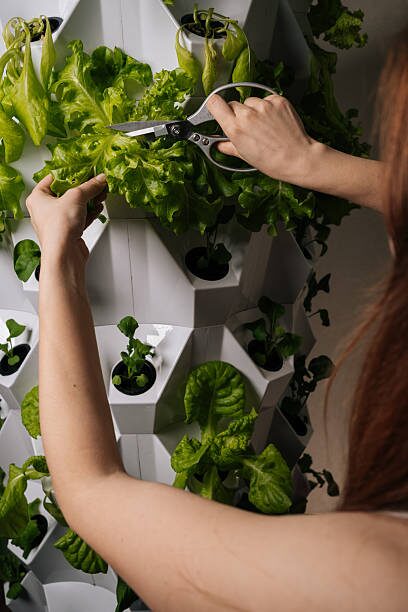
A few years ago, telling someone you had a hydroponic garden in your living room would have sounded like something out of a sci-fi movie. Now it’s just… a Tuesday. More people are growing their own lettuce, herbs, and vegetables indoors than ever before, and a lot of that comes down to one design that made the whole thing practical: the hydroponic tower garden.
If you’re still not totally sure what separates a hydroponic garden from regular gardening, or why everyone keeps talking about towers specifically, here’s the rundown.
The Short Version of What Hydroponics Actually Is
A hydroponic garden grows plants in water instead of soil. Nutrients that would normally come from dirt get mixed directly into the water, and that nutrient solution gets delivered straight to the roots. No digging, no weeding, no muddy hands.
This isn’t a shortcut or some watered-down version of “real” gardening either. Plants grown hydroponically often grow faster and healthier than their soil-grown counterparts, mostly because they aren’t wasting energy searching for nutrients. Everything they need is right there.
Why the Tower Shape Changed Everything
Early hydroponic setups were flat, wide trays that still ate up a lot of floor space. That worked fine for greenhouses and commercial operations, but it wasn’t exactly apartment-friendly. The hydroponic tower garden solved that by stacking the growing space vertically instead of spreading it out horizontally.
A typical setup stands a few feet tall, with plants growing out of pots arranged in rings up the column. Because you’re building up instead of out, a hydroponic tower garden can hold two dozen plants or more in a space smaller than a bar stool. That single design change is why so many apartment dwellers, condo owners, and people without a backyard suddenly have a real option for growing their own food.
The Water Side of Things
Here’s a number that tends to surprise people: in a traditional soil garden, most of the water you use never actually reaches the plant. It soaks into the ground, evaporates, or runs off before the roots get a chance to absorb it.
A hydroponic tower garden works completely differently. Water gets pumped from a reservoir at the bottom up to the top of the tower, then trickles back down past the roots on its way home. That water gets reused again and again in a closed loop, which is a big part of why these systems can use dramatically less water than growing in soil.
The watering itself isn’t constant, either. Most systems run on a timer, cycling on for a short burst and then shutting off for a while. That pause matters because roots need air just as much as water. Giving them a breather between watering cycles helps them absorb oxygen more efficiently, which in turn helps the whole plant grow stronger.
What Maintenance Actually Looks Like
People sometimes picture hydroponic gardening as something that requires constant monitoring, like keeping a saltwater aquarium. In practice, it’s a lot more hands-off than that.
Once your hydroponic tower garden is set up, the watering and lighting run on timers automatically. Your job mostly comes down to a short weekly checklist: glance at the reservoir to make sure there’s enough water, check that the pH hasn’t drifted too far out of range, and trim back any roots that have grown long enough to dangle into the pump. Once a month, you might clear out the drip holes so nothing gets clogged. That’s genuinely most of it.
Compare that to a soil garden, where you’re pulling weeds, checking for pests, and hauling a watering can around every day or two, and it’s easy to see why so many first-time growers gravitate toward a tower system.
What You Can Actually Grow
Leafy greens are the classic starting point. Lettuce, kale, spinach, and bok choy all take well to a hydroponic garden and tend to grow noticeably faster than they would in soil. Herbs do great too. Basil, parsley, dill, and thyme are practically made for this kind of setup, especially if you’re tired of buying a whole bunch at the store just to use a fraction of it.
From there, plenty of people move on to tomatoes, peppers, cucumbers, and strawberries. The main exception is root vegetables. Carrots, potatoes, and onions grow downward into the soil, which makes them a poor fit for a vertical system where there’s nowhere for those roots to expand.
Picking Your First Setup
If you’re ready to try a hydroponic tower garden but aren’t sure where to start, it helps to look for a system that bundles the essentials together instead of making you piece one together yourself. That usually means a pump, a reservoir, net pots, a starter set of nutrients, and ideally built-in lighting if you’re growing indoors without much natural sunlight.
ALTO Garden has a helpful breakdown of how hydroponic tower gardens work, including how the watering cycles function and what to look for in terms of lighting coverage and food-safe materials. It’s a solid starting point if you want to understand the mechanics before you commit to a system.
Is It Worth It?
Freshly harvested produce simply tastes better, and it holds onto more of its nutrients than something that’s been sitting on a truck and then a grocery shelf for days. You also skip the pesticides and herbicides that come standard with a lot of commercially grown food. Add in the space savings and the water efficiency, and it’s easy to see why hydroponic tower gardens have gone from a niche hobby to something regular households are setting up in a spare corner or on a balcony.
You don’t need a green thumb, a yard, or years of gardening experience to get started. You just need a little counter or floor space and the willingness to check on things once a week. For a lot of people, that trade-off turns out to be an easy yes.
