
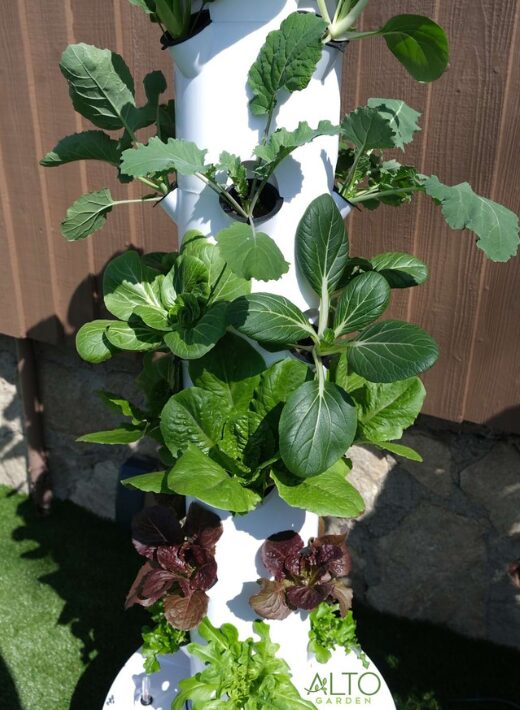
As more people seek sustainable ways to grow their own food, innovative gardening solutions are transforming how we cultivate plants. One of the most exciting developments is the garden tower — a vertical, space-efficient system that makes gardening accessible for beginners, busy homeowners, and urban growers alike. Whether you have a small patio, balcony, or backyard, garden towers are reshaping how we think about homegrown produce.
What Is a Garden Tower?
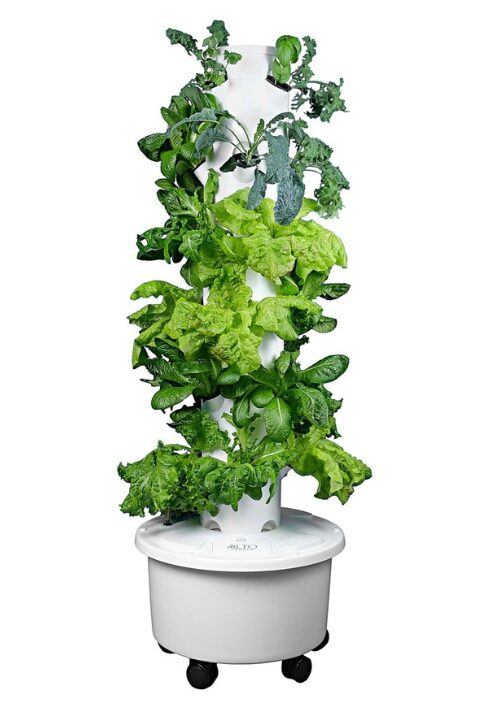
A garden tower is a vertically stacked growing system designed to maximize plant capacity while minimizing ground space. Unlike traditional garden beds that spread outward, a garden tower grows plants upward. This design allows gardeners to grow a large number of vegetables, herbs, or flowers in a compact footprint.
The structure typically consists of multiple planting pockets arranged around a central column. Water and nutrients circulate from a reservoir at the base, feeding each plant from the roots up. This efficient use of space and resources makes the garden tower an ideal choice for modern lifestyles.
Why Choose a Garden Tower?
1. Space-Saving Design
One of the most compelling reasons to adopt a garden tower is its vertical layout. Many urban dwellings lack yard space, but a garden tower allows you to grow dozens of plants in an area as small as a few square feet. For apartment balconies, patios, or small backyards, this is a game changer.
2. Water Efficiency
Traditional gardens often lose water to evaporation and runoff. A garden tower is engineered to be water-efficient. Water is delivered directly to plant roots through a central reservoir, reducing waste. This efficient watering system saves both time and resources, making it ideal for gardeners who want sustainability without constant maintenance.
3. Higher Yields in Less Space
The vertical design increases the number of plants you can grow per square foot. Instead of planting in flat rows, you stack planting sites vertically. This means more leafy greens, herbs, and even fruiting plants like strawberries or peppers can thrive together without overcrowding.
4. Easier on the Back
Gardening shouldn’t be physically taxing. With raised planting sites, a garden tower reduces the need for bending or kneeling. This makes it especially appealing for gardeners with mobility challenges or anyone who wants a comfortable, ergonomic growing experience.
What You Can Grow in a Garden Tower
Garden towers are versatile and can support a wide range of plants:
-
Leafy greens such as lettuce, spinach, kale, and Swiss chard
-
Herbs including basil, parsley, cilantro, and oregano
-
Compact vegetables like radishes, bush beans, and onions
-
Small fruiting plants such as strawberries and cherry tomatoes
The key is selecting varieties suited to vertical spacing and ensuring they receive adequate light and nutrients. With the right planning, it’s easy to enjoy a continuous harvest throughout the growing season.
Garden Tower Growing Tips
To get the most out of your garden tower, consider these best practices:
Choose the Right Location
Place your garden tower where it gets the maximum amount of sunlight — typically 6 to 8 hours per day for most edible plants. South or west-facing areas usually offer the best light exposure.
Use Quality Soil and Nutrients
Since plants share a centralized watering system, using a nutrient-rich soil mix is essential. A combination of organic compost, coco coir, and a slow-release fertilizer supports strong root development and healthy growth.
Monitor Water Levels Regularly
The tower’s reservoir should be checked frequently, especially during hot weather. Watering from the bottom up encourages deep root growth and provides consistent moisture for all plants.
Plant Strategically
Full-sun plants should be placed where they receive the brightest light, typically on the south side of the tower. Shade-tolerant varieties can be planted in less intense light zones. Vertical placement also allows companion planting — growing compatible plants near each other to improve growth and deter pests.
Garden Tower Maintenance Made Simple
One of the benefits of garden towers is low maintenance. Here’s how to keep your tower thriving:
-
Check water levels every few days
-
Prune plants to improve airflow and reduce crowding
-
Harvest regularly to encourage new growth
-
Rotate crops seasonally to prevent nutrient depletion
This minimal care routine keeps your garden productive without demanding hours of labor.
A Garden Tower for Every Type of Gardener
Whether you’re an experienced grower or new to gardening, a garden tower offers a welcoming and rewarding experience. For beginners, it simplifies planting, watering, and harvesting. For seasoned gardeners, it maximizes output and allows experimentation with unique plant combinations.
From sustainability to productivity, garden towers reflect a modern approach to home gardening — one that aligns with the needs of today’s lifestyles. They make it possible for city dwellers and suburban families alike to nurture fresh, healthy food right at home.
Conclusion
A garden tower changes the way we grow plants by combining innovation and practicality. With its efficient use of space, water-saving design, and versatility in plant types, it’s a smart investment for anyone serious about home gardening. Whether you’re growing herbs on a balcony or cultivating a backyard feast, a garden tower can help you grow more with less.
