
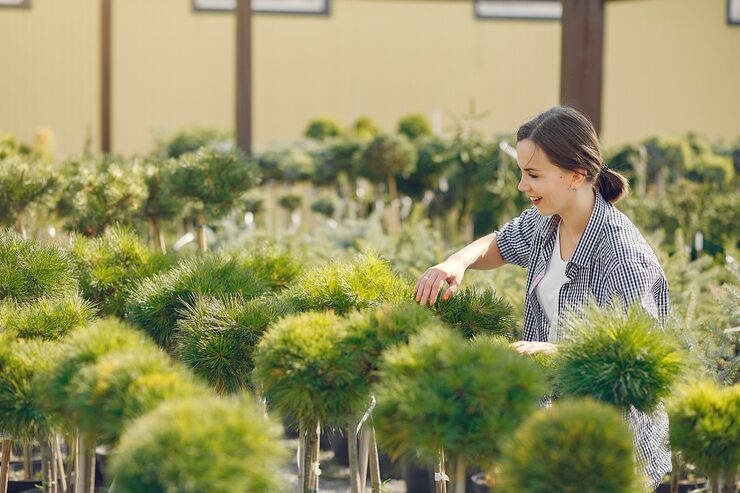
A well-designed landscape doesn’t feel forced or overly planned. It feels comfortable, balanced, and connected to its surroundings. The best outdoor spaces often look as if they’ve always been there, even though careful planning went into creating them.
Understanding a few basic principles of landscape design can help turn any outdoor area into a space that feels natural, inviting, and easy to enjoy.
Start by Understanding the Space
Every successful landscape design begins with observation.
Before choosing plants or features, it’s important to understand:
-
The size and shape of the area
-
Sunlight and shade patterns
-
Soil condition and drainage
-
Existing trees, slopes, or structures
Designing around what already exists makes the landscape feel more organic and reduces unnecessary changes.
Keep the Design Simple
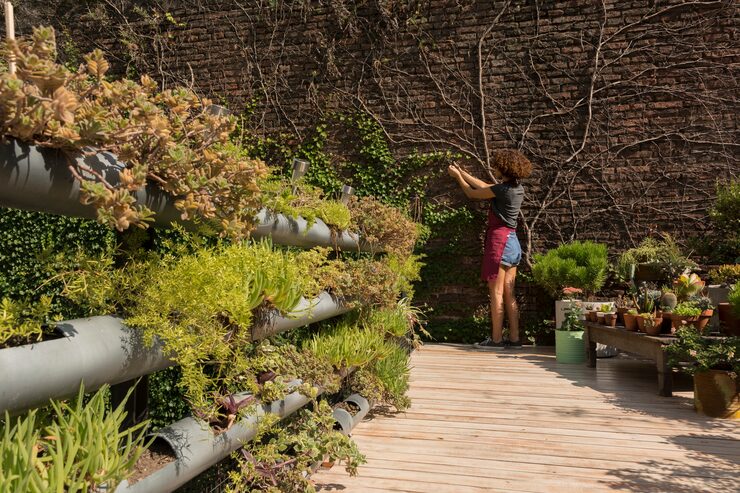
Natural landscapes rarely feel crowded. Simplicity helps outdoor spaces feel calm and balanced.
Instead of using many different materials or plant types, focus on:
-
A limited color palette
-
Repeating plant varieties
-
Simple shapes and layouts
Too many elements can make a space feel busy rather than natural.
Choose Plants That Belong
One of the easiest ways to create a natural look is by selecting plants that suit the local environment.
Native or climate-appropriate plants:
-
Grow more easily
-
Require less maintenance
-
Blend naturally with surroundings
Plants that thrive in the local climate tend to look healthier and more at home in the landscape.
Think in Layers, Not Rows
Nature doesn’t grow in straight lines or single layers.
To achieve a natural feel:
-
Place taller plants and trees in the background
-
Use shrubs and medium plants in the middle
-
Add ground cover or grasses in the foreground
Layering creates depth and visual interest while keeping the space soft and natural.
Use Natural Shapes and Lines
Curves and gentle transitions feel more natural than rigid lines.
Pathways, garden beds, and borders that flow smoothly through the space create a relaxed look. Straight edges can still be used, but softer shapes often blend better with outdoor environments.
Balance Open and Filled Areas
A good landscape design includes both planted areas and open space.
Lawns, patios, or open seating areas give the eye a place to rest and make the space more usable. Overfilling every corner with plants can make the area feel crowded rather than welcoming.
Incorporate Natural Materials
Materials play a big role in how a landscape feels.
Stone, wood, gravel, and natural textures blend more easily with outdoor spaces than overly polished or artificial materials. Using materials that complement the environment helps maintain a natural appearance.
Design for How the Space Will Be Used
A natural landscape should also be practical.
Consider:
-
Where people will walk or sit
-
How the space will be used throughout the day
-
Maintenance needs over time
A design that works well for daily life will always feel more comfortable and natural.
Let the Landscape Evolve
Natural outdoor spaces don’t look perfect overnight.
Plants grow, seasons change, and landscapes mature over time. Allowing space for growth and change helps the design feel alive rather than static.
Final Thoughts
Landscape design doesn’t have to be complicated to feel natural. By working with the environment, choosing suitable plants, and keeping the design simple, outdoor spaces can feel relaxed and timeless.
The goal isn’t to control nature, but to guide it in a way that feels effortless and welcoming.
